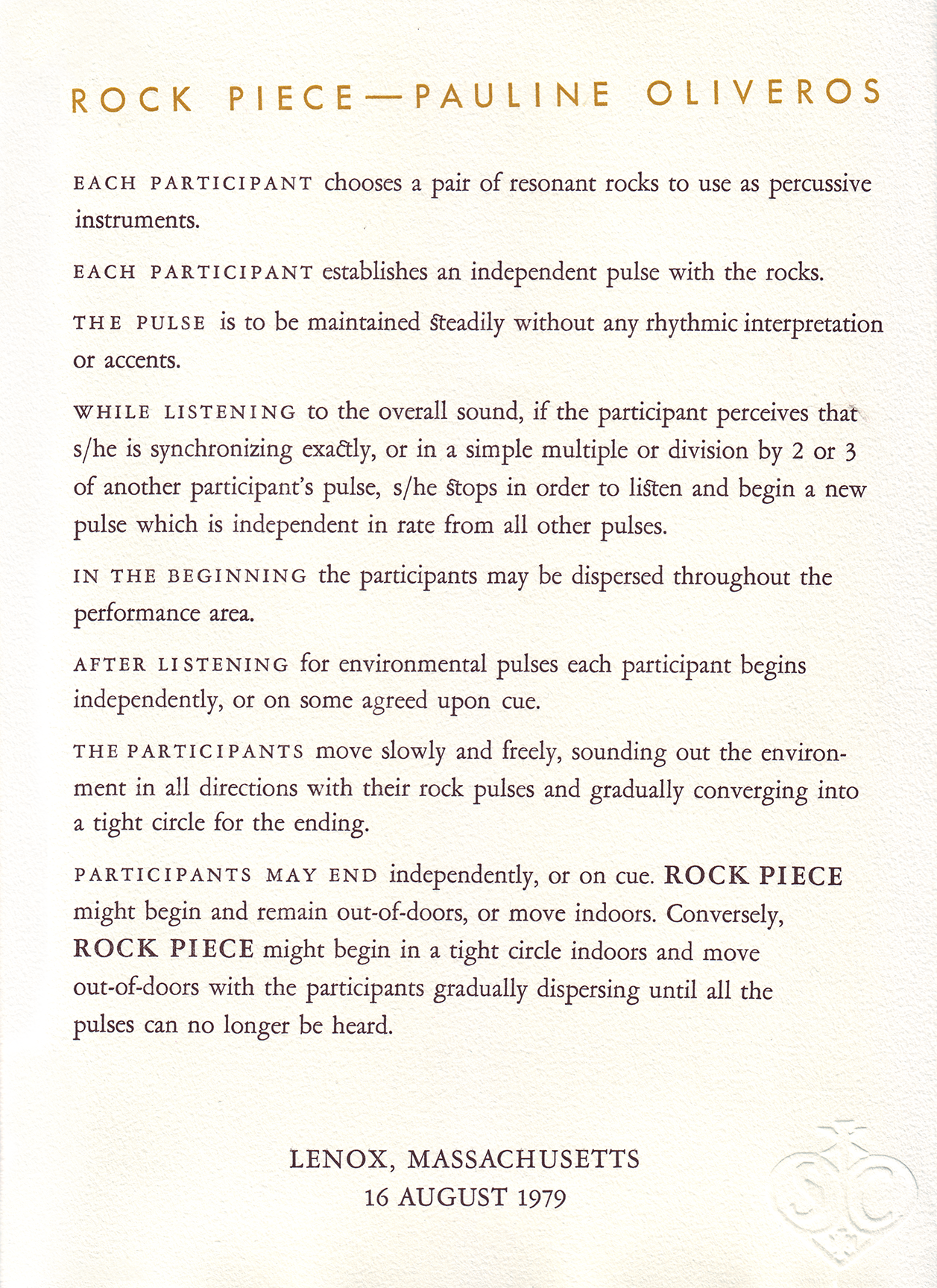
Week 2 Activities

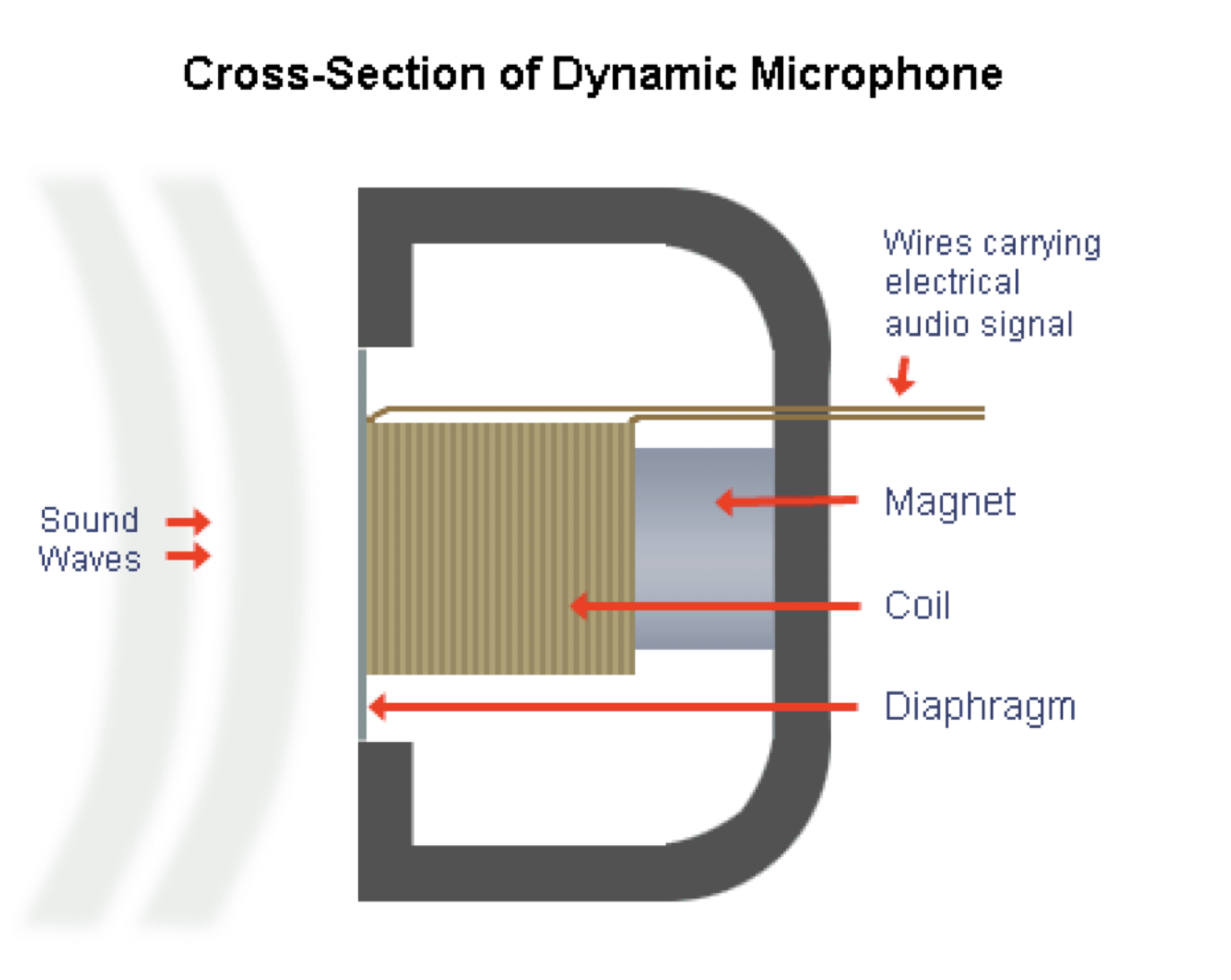
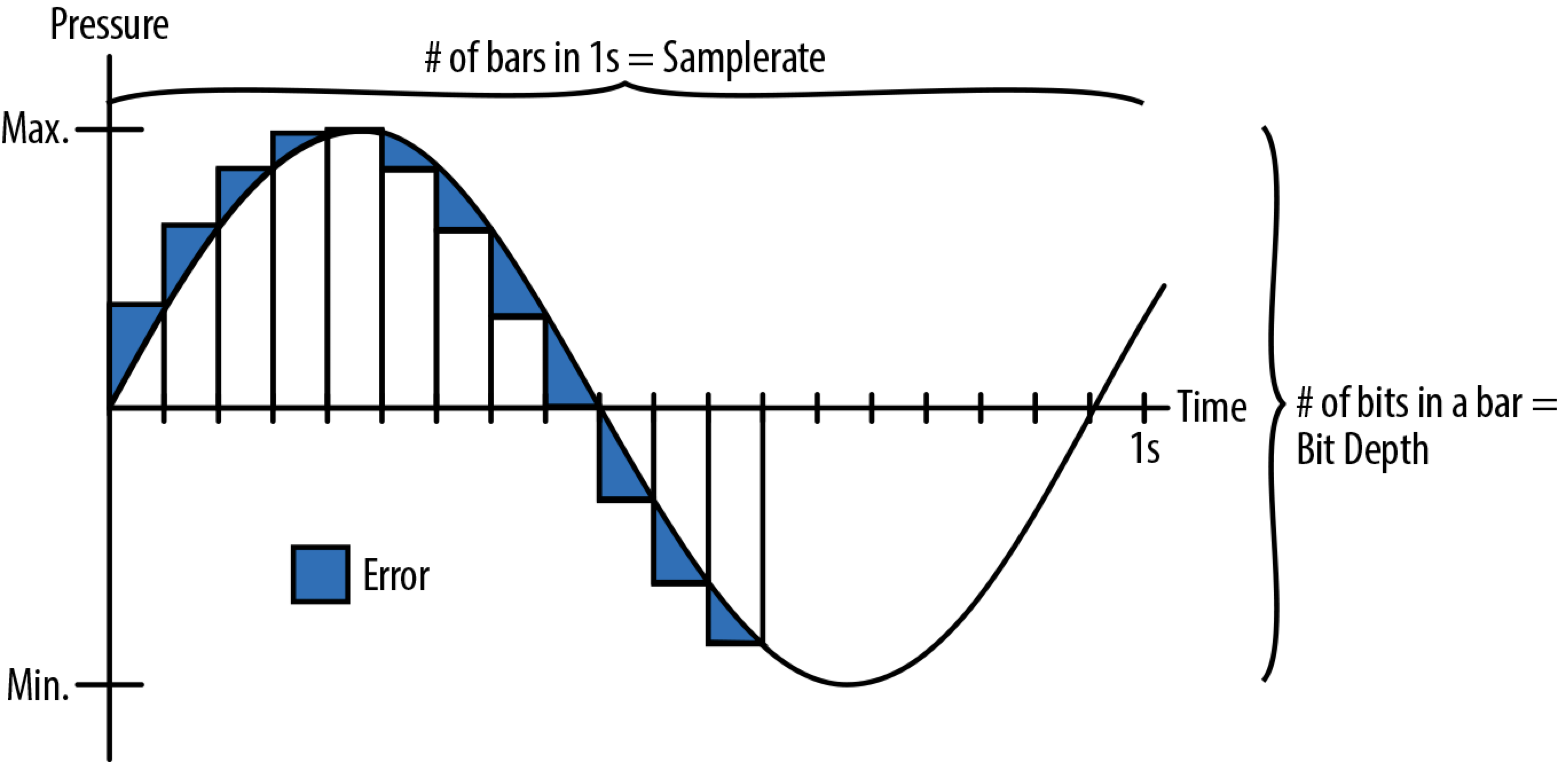
- BIT DEPTH: amount of resolution per sample
- SAMPLE RATE: how many samples there are per second
- Shannon-Nyquist theorem: to digitally encode a signal of frequency X, you need X*2 values at minimum
- Typical audio sample rates are 44100 Hz (CD quality) and 48000 Hz
- WAV and AIFF are uncompressed audio file formats that store PCM (Pulse Code Modulation) streams of audio data.
- MP3, MP4, AAC and other formats are compressed, which typically reduce file size by discarding data that humans likely won’t hear. MP3 compression groups audio into frequency bands, then removes less perceptible data.
Acoustic Ecology
- An Introduction to Acoustic Ecology
- R. Murray Schafer - The Soundscape
- Classification of soundscapes
- Natural sounds
- Sounds of creation
- Sounds of apocalypse
- Sounds of water
- Sounds of air
- Sounds of earth
- Sounds of fire
- Sounds of animals
- Sounds of seasons
- Human sounds
- Sounds of the voice
- Sounds of the body
- Sounds of clothing
- Sounds and society
- Rural soundscapes
- Town soundscapes
- City soundscapes
- Maritime soundscapes
- Domestic soundscapes
- Sounds of trades, professions and livelihoods
- sounds of factories and offices
- sounds of entertainment
- music
- ceremonies
- parks and gardens
- religious events
- Mechanical sounds
- Machines
- Industrial equipment
- Transportation machines
- Welfare machines
- Trains and trolleys
- Combustion engines
- Aircraft
- Construction and demolition equipment
- Ventilation systems
- Instruments of war and destruction
- Farm machinery
- Quiet and silence
- Sounds as indicators
- Bells and gongs
- Horns and whistles
- Sounds of time
- Telephones
- Warning systems
- Signals of pleasure
- Indicators of future occurrences
Deep Listening
- A concept introduced by American composer Pauline Oliveros to describe embodied acts of listening
- Includes bodywork, meditation, as well as listening to the sounds of daily life and nature.
Cultivates a heightened awareness of the sonic environment.
- “Deep Listening involves going below the surface of what is heard, expanding to the whole field of sound while finding focus. This is the way to connect with the acoustic environment, all that inhabits it, and all that there is.” - Oliveros